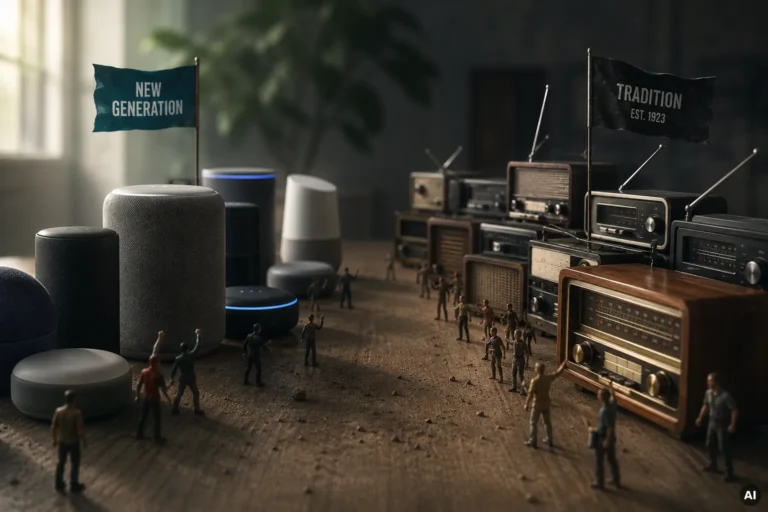
The pandemic has turned many assumptions and habits of recent years on their heads. In B2B sales, it removed the foundation of their work for sales teams overnight: in-person meetings with decision-makers on the purchasing side!
Although there has been some return to in-person meetings, „the good old days“ of many trade fairs, workshops, networking events, and daily on-site appointments will not be returning. The McKinsey study „German B2B decision-maker response to the COVID-19 crisis“ shows that in the future, only 20 to 30 percent of all B2B buyers will want to communicate with sales staff in person. Around 90 percent expect remote communication channels to remain permanently and to function at least as effectively, or better, than previous sales channels. And even 95% of B2B buyers state that they want to make purchases via self-service. Spending $50,000 or more is not a problem.
What are the reasons for these preferences of B2B buyers? Three are primarily mentioned:
- Simple scheduling, easy to plan
- Saving travel expenses and time
- Higher efficiency
Customers from companies and agencies therefore overwhelmingly demand digital approaches from B2B sales. They want to inform themselves digitally about products and services, prefer to communicate digitally and are prepared to purchase via self-service platforms. In doing so, it is even possible to achieve revenues that exceed the annual radio budget of an average local or regional advertiser.
Sales teams are feeling the pressure of this expectation, as which broadcasting group, for example, already has an online shop? At the same time, this also offers many opportunities for the future. Previously, sales activities were mostly initiated proactively by the sales department using a push principle. Now, customers want to initiate purchasing impulses themselves using a pull principle.
How can one proceed to use this pull principle for one's own company? First, the customer journey of one's own clientele should be investigated and documented in as much detail as possible. What exactly happens in the three sales phases of presales, sales, and aftersales must be known.
All touchpoints in these customer journeys are reviewed to see if they can also be digital. The company's own website, its social media presence and that of sales employees on LinkedIn, Xing, Facebook, YouTube and more must be adapted to the new, more extensive information needs. Are there white papers, blogs, articles, posts, or pricing information available for download?
All communication channels between external and internal contacts can be analysed. Are all common video conferencing tools available to everyone, and can they use them effectively? Potential and existing customers may wish to use scheduling software to arrange video conferences with their contacts in Sales, Product Management, and Campaign Management.
Customer portals are often particularly suitable for digital communication with existing contract partners (see blog post Automated SalesThis is where the company can proactively post more confidential information and specific offers, as well as all order-relevant data from contracts to invoices. Customers can retrieve information, place orders, or ask questions – for example, about details in specific projects – via the chat function at any time, according to their own preferences and timing.
An online shop might sound surprising to radio marketers. But if customers are willing to make high expenditures themselves in a self-service capacity, then such an idea should also be examined for the sale of audio advertising. Through market research, existing customers can be surveyed in more detail. And possibly, a soft launch could be an option, where only specific service packages or seconds can be booked in a last-minute auction. Particularly in private radio, pre-packaged deals for radio advertising, special advertising formats or events are very common. I'm referring here to traffic or weather sponsorship, second packages with sliding rights, ticket giveaways or party DJ packages.
Those who have reservations about making their prices so transparent to everyone – including competitors – can also enable quick and uncomplicated purchasing of such offers only for existing customers, for example via their own customer portal. It is particularly suitable for reordering by regular customers to create self-service options here!
Naturally, other platforms also belong to the tools of digital sales for the automated or programmatic sale of your advertising inventory. In other media genres such as DOOH, display, video, addressable TV, or cinema, trading between DSPs and SSPs is already commonplace. Even advertisements in print magazines and daily newspapers can now be purchased by agencies without requiring contact with the publisher's sales colleagues. Radio still has some way to go here, but the goal is clear.
Some station management will encounter initial resistance from their own field staff when implementing such digital strategies. Objections such as „But our regional customers still want to meet me in person“ or „Radio advertising needs too much explanation without personal selling“ will arise. My recommendation is to do two things about this:
1. Examine what is really hidden behind the objections. Are these fears of the team becoming redundant or losing influence at some point? Which (key) customers are among the 20 to 30%who still prefer personal conversations over all other communication channels with B2B sales staff? Do we already have enough information material to easily explain our products and services so that customers can „educate“ themselves?
2. Addressing and working on the above points. The goal is not to „take away“ customer contact points and good personal relationships from the field service, but rather the opposite: to enable new – digital – contacts and to adequately satisfy modern customer needs.
These transformation processes require several prerequisites to be successful:
- Employee skills – Further training in digital technologies and strategies is the key here
- Knowledge to meet the wishes of their own customers – market research and an excellently maintained and evaluable CRM system, which is used by everyone in the company from reception to the events department, are helpful here
- Taking everything into account Touchpoints in the customer journey
- A digital Strategy for the entire sales department
- Mut for new paths and perseverance when individual ideas don't immediately take hold
The sales department can seek external help on this path to more digital B2B sales, but its own marketing department must also be integrated. Marketing has been involved with automation for some time. Further experience from colleagues, for example from digital media purchasing or the social media sector, can help. Together, it should be determined which processes, from lead generation to customer retention, need to be restructured jointly, and who can influence the customer's purchasing decision and how.
Yours, Andrea Anders
These posts might interest you